A lasting attachment
On her last morning in the bush, Avel spent nearly two hours watching elephants. Her flight left in the afternoon. She remembers wanting to stay longer.
A ranger from the game farm where she stayed every year had told the group where the animals had been seen. They left early and drove toward the water. At first, one large elephant stood in view. Then she began to see the others: adults, younger animals and small calves moving among them. She watched them gather, separate and play.
The herd moved away. Later, on the drive to the airport, she cried. She had enjoyed an extraordinary morning and had no idea when she would return.
Kilos of colored stones
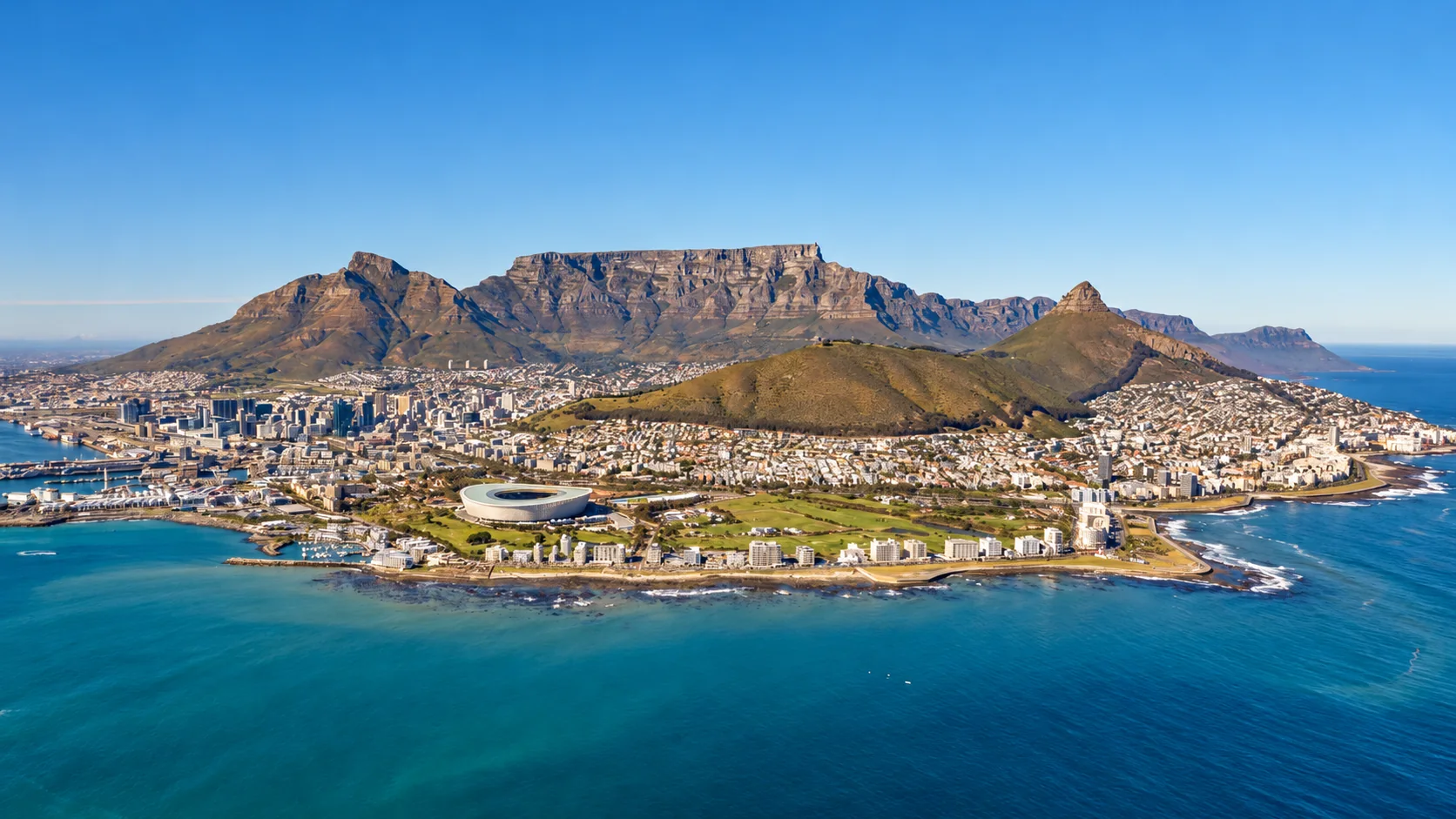
South Africa had become familiar through repeated visits over several years. In Cape Town, a house in Clifton was her base. She returned to the markets, went to galleries showing artists she did not know, took trips along the coast and body surfed in the ocean in the afternoons.
Some of the people she knew from London turned up again in Cape Town, and she liked finding familiar faces so far from Europe. Stellenbosch drew her to its wine estates, their architecture, the food and the people who welcomed her.
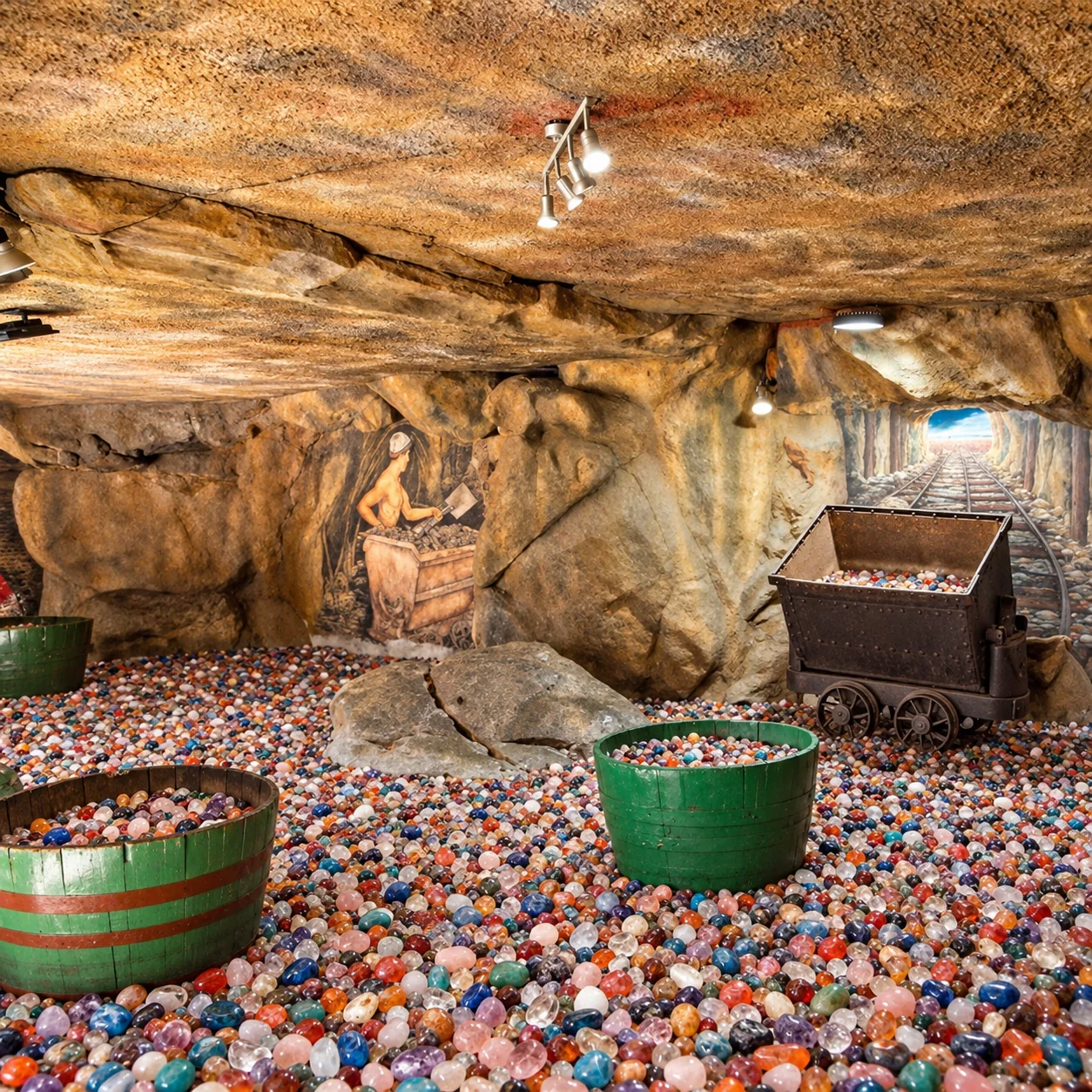
On trips south of Cape Town, she spent hours choosing semiprecious stones. She brought kilos of them home. The quantity drew puzzled attention at airport security, a memory she still finds funny.
She wanted them for their colors and the pleasure of holding them. Some remain in her home today. At the time, there was no need to decide what they would become.
Her interest extended to contemporary furniture and individual pieces made from wood, stone or wire. She noticed materials and forms she seldom encountered in Europe, and paid attention to how people used them in their homes.
A camera left behind
For the weeks in the bush, she flew to Hoedspruit Airport and continued to a private game farm. Going back every year gave her time to learn the surroundings and the routine of going out early to look for animals.
From a hill, she once watched buffalo running toward a dam. The ground shook. Another night, elephants passed on both sides of the vehicle. Sitting still in the darkness, she felt vulnerable, yet calm.
On arriving for her final visit, she left her luggage and climbed straight into the jeep, forgetting her camera. Soon afterward, they came across a young cheetah pursuing a small antelope. The antelope escaped, and the cheetah settled near a tree.
She remembers how close it was, how young it appeared, and her frustration at having nothing with which to photograph it.
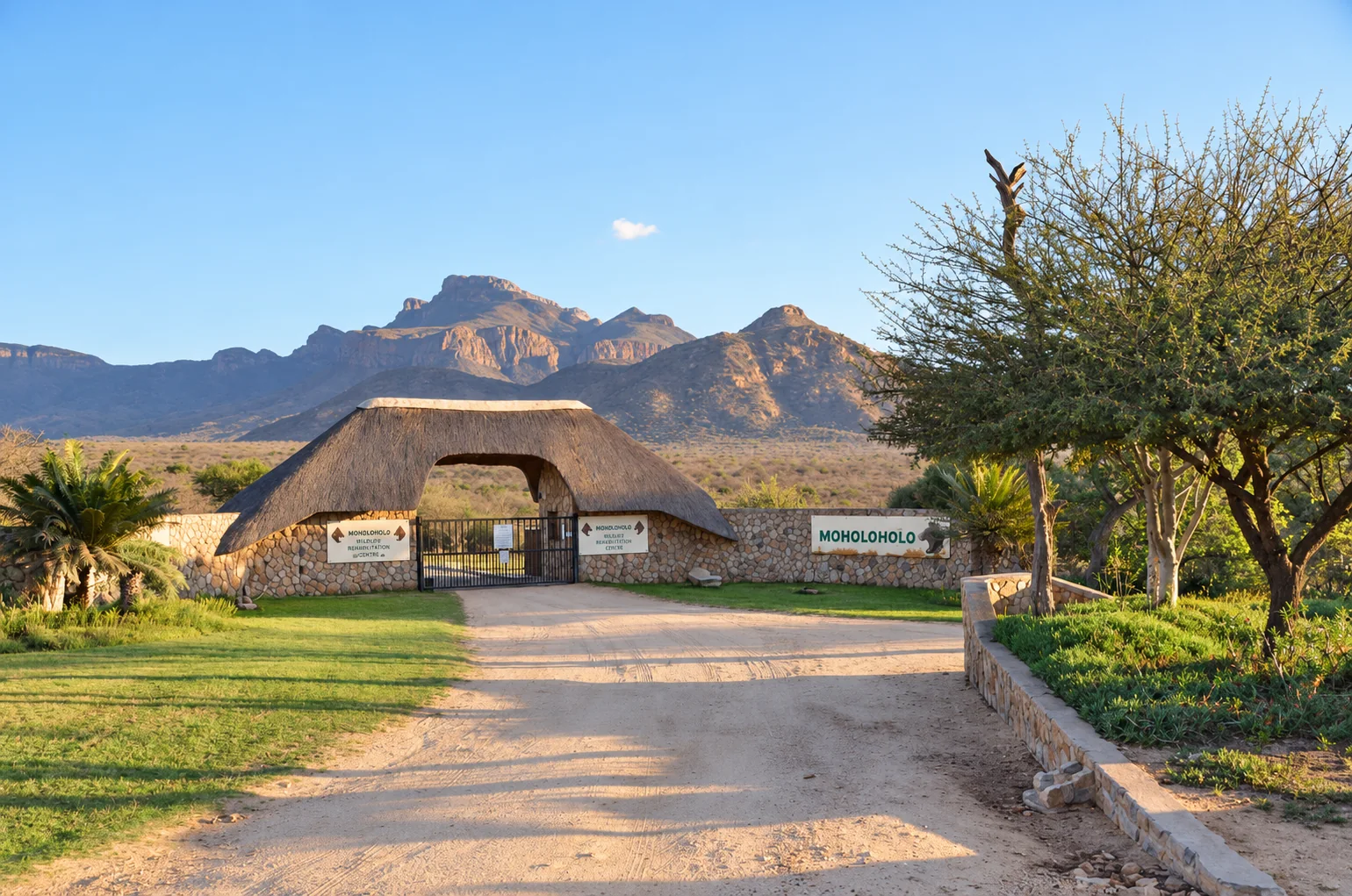
Moholoholo Wildlife Rehabilitation Centre, near Hoedspruit, rescues and rehabilitates injured, poisoned and orphaned wildlife. It became a regular stop on Avel’s visits to South Africa. Over a couple of years, she watched a lioness cub named Sarah grow into an adult. The centre also cared for a hippopotamus and for many vultures, poisoned or injured, and she spent time inside the vulture enclosure. The people working there and the care they gave the animals touched her, and the place became one she feels connected to.
The lioness in her library
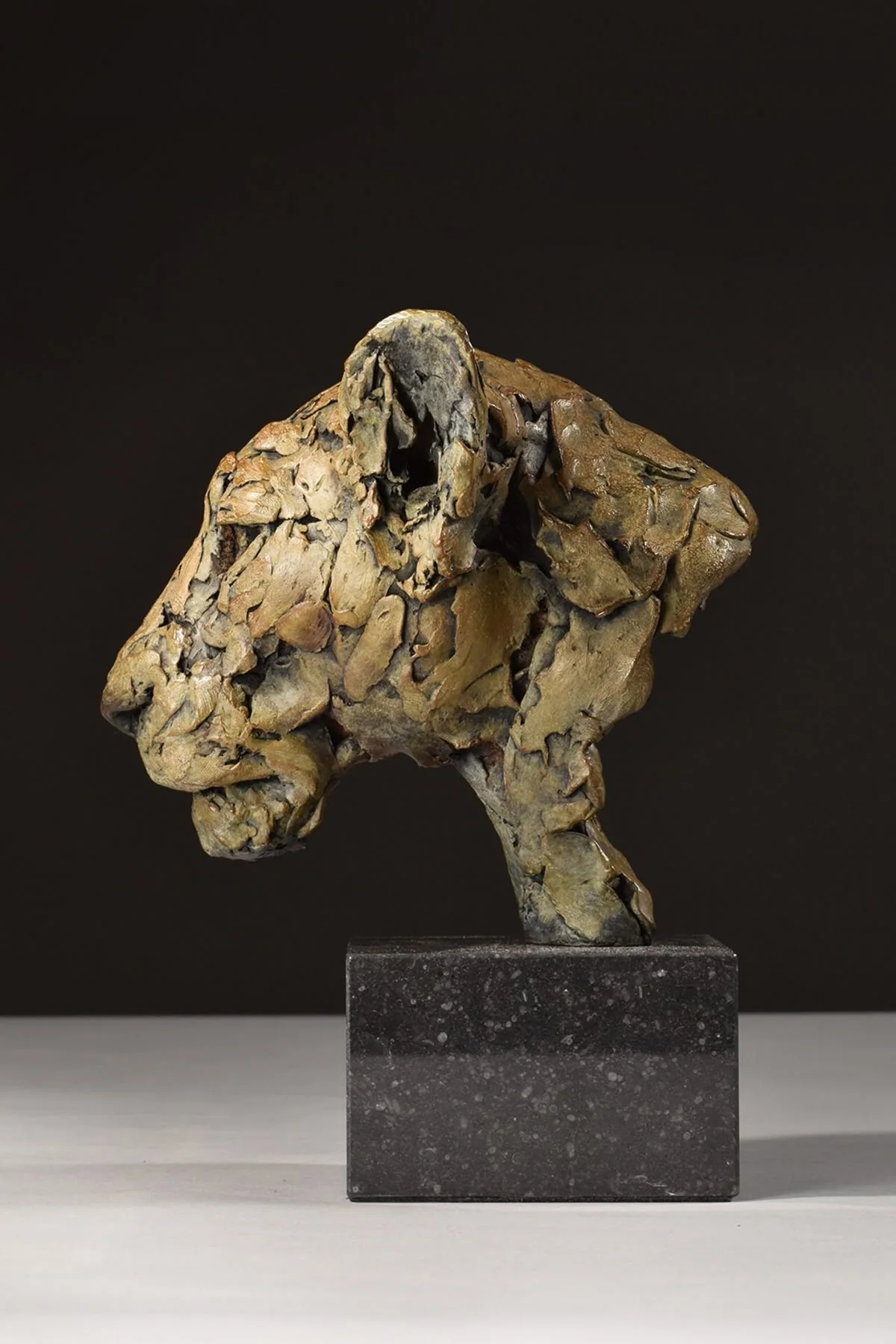
A bronze lioness bought in South Africa still stands in Avel’s library. It is one of her favorite objects, kept alongside stones, photographs and other things from those years.
What she recalls most needs no photograph: the morning light and the evening quiet. She describes feeling at home in a way she has not found elsewhere.
She wants to return and contribute to wildlife preservation alongside people already doing the work. She has yet to find the project or relationship through which to make this happen.